

Mini-robot delivers drugs inside the body precisely where needed
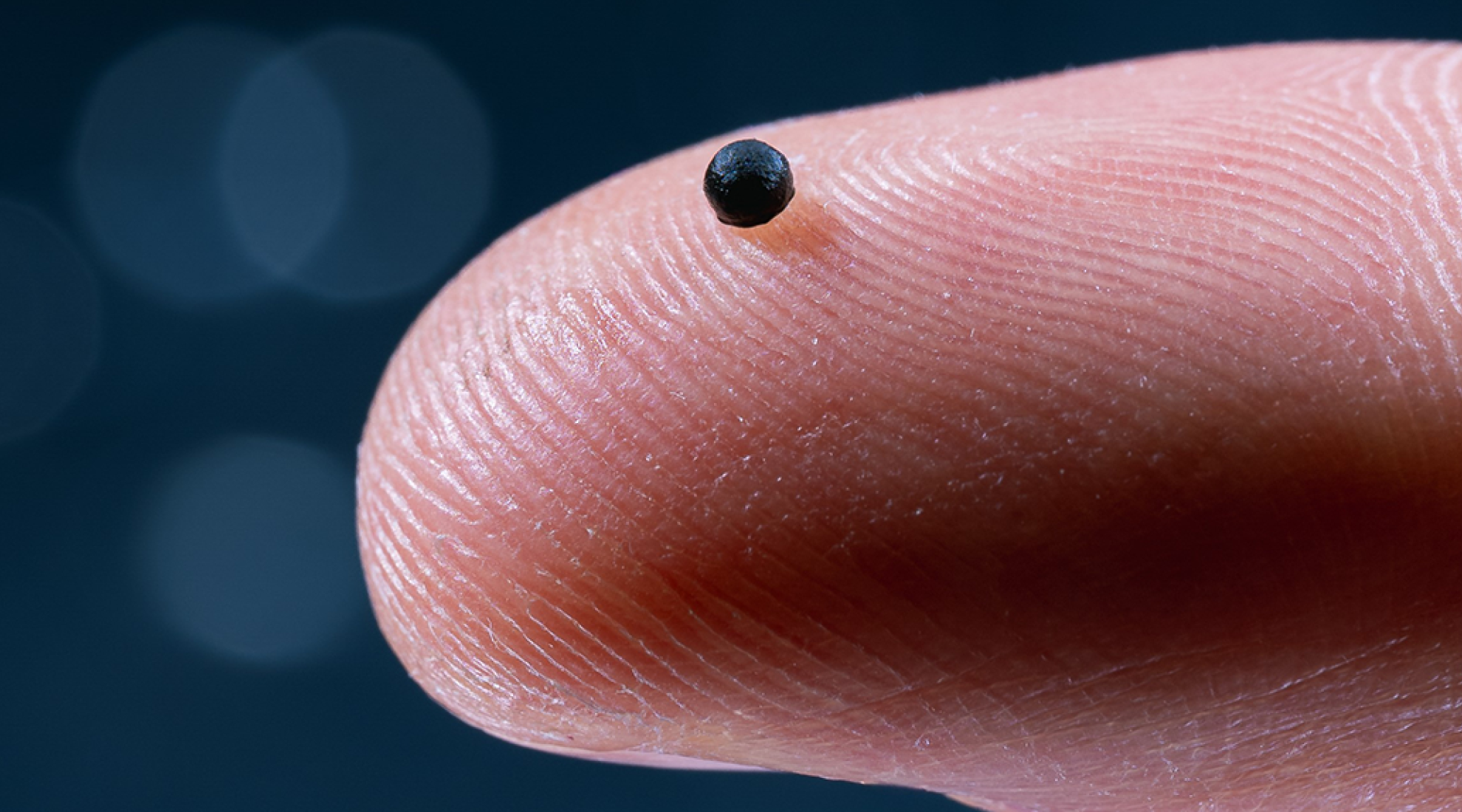
ETH Zurich researchers present a new micro-robotic system that transports drug-loaded capsules electromagnetically through the bloodstream with pinpoint accuracy.
Related news
Technology that moves you

The wheelchair of the future – made in Switzerland

Keeping one step ahead of the next infectious disease
When it comes to treating strokes, every minute counts. Targeted medication delivery would be enormously helpful, but today's standard therapies still take a shotgun approach in most cases. Large quantities of active ingredients are dispersed widely throughout the body, which harbours significant risks. Severe side effects are common.
A new technology developed at ETH Zurich is poised to change this. Researchers there have designed a microrobot to transport drugs through complex vascular structures and deliver them directly to specific locations. This approach promises more precise therapy and a dramatic reduction in the dosage of medication needed.
A dissolvable gel-coated capsule able to find its target
The robotic system's core component is a spherical capsule with a biodegradable outer layer made of gel. The embedded iron-oxide nanoparticles make it magnetic, giving it the responsiveness needed to navigate through the body using an electromagnetic navigation system. It is crucial to strike the right balance between making the robot small enough but also sufficiently magnetic. The blood vessels in the human brain offer almost no tolerance as regards size or weight.
Because the vessels in the human brain are so small, there is a limit to how big the capsule can be. The technical challenge is to ensure that a capsule this small also has sufficient magnetic properties.
Three navigation techniques combined
After entering the body's vascular system via a specialised catheter, the robot navigates there in three ways that can be combined. One of them is the use of a rotating magnetic field that makes the capsule roll along the vessels' walls. Another is the deployment of a magnetic field gradient enabling the capsule to swim against the bloodstream, even at speeds of around 20 centimetres per second.
The situation becomes more complex at vascular branches. Here, in-flow navigation comes into play. The magnetic field is adjusted so that the bloodstream guides the capsule into the desired branch.
A 95% success rate
The therapeutic effect only begins once the gel layer has dissolved. High-frequency magnetic fields heat the embedded nanoparticles, causing the capsule to disintegrate and release its contents. Tests have included a clot-dissolving drug, an antibiotic, and a cancer therapy agent. In over 95% of trials, the substance was delivered precisely to the intended location.
The research team first tested their methods using silicone models of human and animal vessels. This was followed by experiments on pigs and sheep, in which all navigation techniques worked reliably and the capsule remained visible at all times. The next step will be initial clinical trials involving patients.