

Electric power comes to heavy construction vehicles
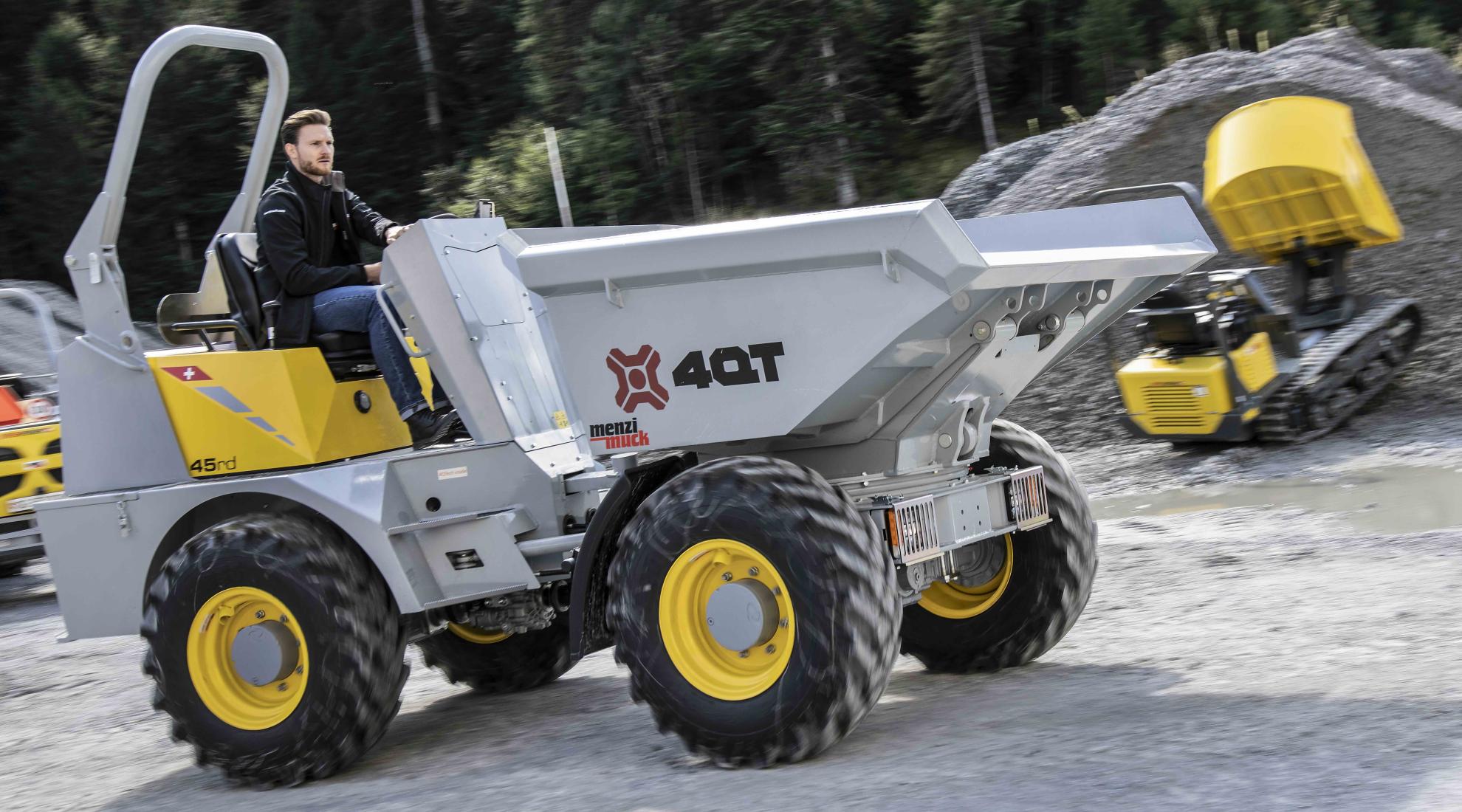
Electromobility has become part of everyday life on the roads. On construction sites, however, diesel-powered machines still dominate. The Swiss start-up 4QT aims to change this by deploying intelligent hybrid-electric powertrain systems precisely where emissions are highest.
Related news
Swiss drones are flying high

In search of Earth's sibling

Swiss technology hunting space debris
Electric cars, e-scooters and e-bikes are now a common sight on the streets. In the construction industry, however, the picture is very different. According to a McKinsey report, fewer than 1% of heavy construction machines worldwide are electric or partially electric. At the same time, the construction and infrastructure sector is one of the largest sources of greenhouse gas emissions, accounting for around 40% of global CO₂ emissions according to the World Economic Forum. Electrifying construction site vehicles is therefore considered one of the most effective ways to measurably reduce emissions quickly.
Reducing costs and emissions, maintaining performance
The Swiss company 4QT, which has its roots at ETH Zurich, has developed a patented, modular powertrain system that allows high-performance construction vehicles to be equipped with hybrid-electric drive technology. Rather than focusing on retrofits alone, 4QT now partners directly with Original Equipment Manufacturers (OEMs) to integrate its modular powertrain solutions into new vehicles. By combining electric drive technology with existing combustion power, 4QT creates highly efficient hybrid-electric systems that lower operating costs while maintaining top performance under the demanding conditions of everyday construction work.
At 4QT, our hybrid drivetrains are designed to reduce operating costs and improve productivity on construction sites, all while lowering emissions. By combining efficiency with high performance, we are also laying the groundwork for the next generation of autonomous construction vehicles.
The intelligent hybrid powertrain
The first productive integration of 4QT’s technology is in an all-wheel drive dumper operated by Swiss construction company Walo Bertschinger. The system combines an efficient combustion engine with an electric drive and proprietary control software. This software ensures that power is delivered only when it is actually needed. During braking or downhill driving, energy is recovered and stored. The system demonstrates particular strengths on hilly construction sites or in urban environments with frequent stop-start operations.
Measurable effects on site
The hybrid-electric dumper was first tested in real-world conditions on a Swiss pilot construction site in 2024. Both fuel consumption and CO₂ emissions were reduced by up to 40 per cent compared with conventional machines.
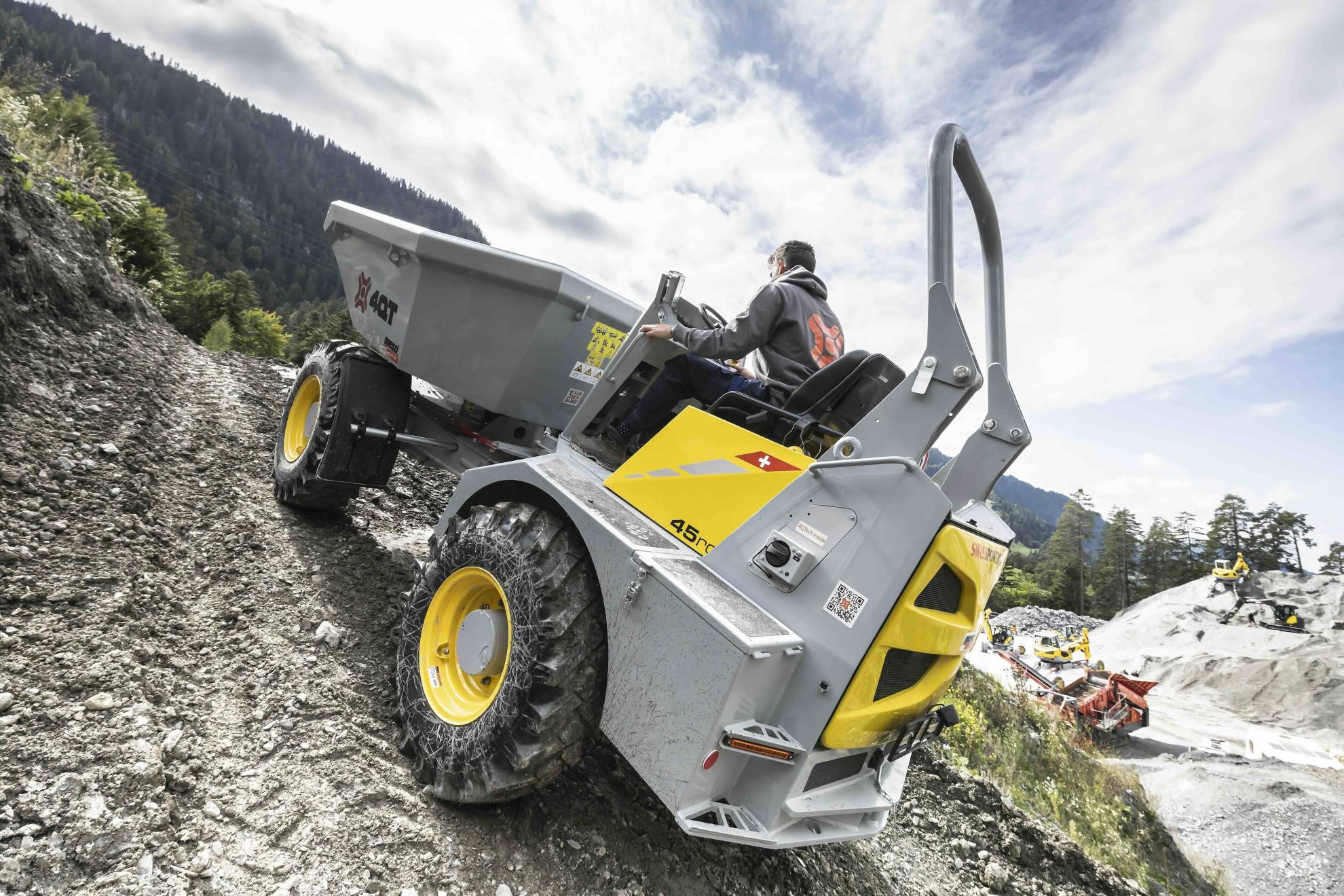
Fuel consumption and CO₂ emissions are 40 per cent lower compared with conventional machines.
Economic benefits for construction companies
In addition to its environmental impact, 4QT’s technology is also compelling from an economic perspective. Lower fuel costs, reduced maintenance requirements and longer operating times mean that the hybrid drivetrain pays for itself soon after the retrofitting. At the same time, the companies' environmental profiles improve, which is becoming an increasingly decisive factor in public tenders and large infrastructure projects.
Digital prospects and plans for the platform
In the long term, 4QT's vision extends beyond the powertrain itself. The technology is designed as a platform. Future digital functions such as fleet management, predictive maintenance, CO₂ accounting, and remote operation are set to be integrated. Demonstrating remote operations is a first step toward autonomous construction machinery, combining both software and hardware capabilities on real-world sites.